Representaion of Stereotypes
In all aspects of society Stereotypes play an incredibly important role in media which in turn effects society's view attitude to certain social groups of people. Gender, race, disability, socio- economic stats and sexuality. We grow up surrounded by certain cultural attitudes and stereotypes which then are in graved in our mind. (This post will mainly focus on Gender representation, particularly of women although others are also talked about but in slightly less depth)
(A side not to make- for all points that I make on this post I am not giving my own opinions or thoughts on how I see or think different social and racial groups are, these are merely an observation I have made about how they are portrayed, personal biased opinions will not be taken into consideration. No offence is intended)
Gender
Let's start with the biggest and possibly most controversial stereotypes, gender roles and how both genders are portrayed in the media.
Women

 Even beyond the world of films little girls are given Barbie dolls to play with, highly sexualised and luxurious exteriorises. They grow up believing that that is the ideal form and what everyone should aspire to become. They don't choose those dolls, usually their parents do- and they pick them because society and media portray a thin body and large breasts as the desired form, and so the cycle continues.
Women are usually represented in several ways. Either it's as: the innocent virgin, promiscuous or sexual objects, caring mothers or some form of domesticated role, and regularly inferior to men.
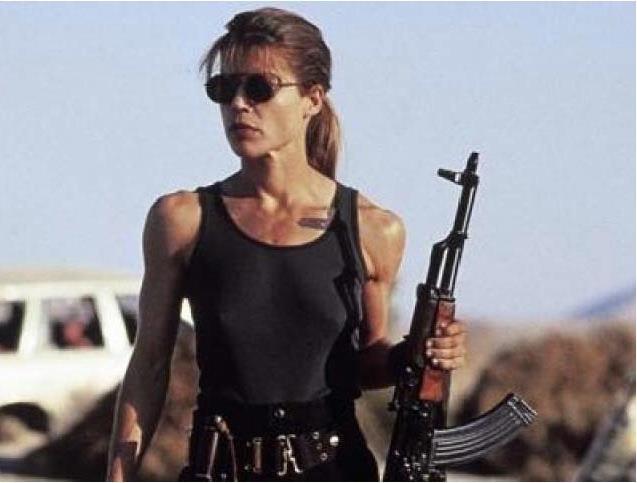 A recent phenomenon in modern day film and TV is the attempt of male script writers to try and react to feminist and post feminist views so they undergo a counter type where they deliberately try to avoid any stereotypes. This, if done poorly can be just as poor of a representation as it becomes two dimensional only focused on trying desperately invert the sexist stereotypes.
 Another interesting area of this topic is about the bechdel test. Not that well known but it is a very fascinating theory and point made about representation of women in media. Even though in this day and age women are expected to have equal rights to men this arguably isn't translated to the screen. The bechdel test is a good way for you to analysis or critic any film or piece of media.
If a work of fiction features at least two women who talk to each other about something other than a man, the requirement the women are names or of significant importance to the plot is sometimes added. According to statistics only half of all films meet these requirements
Men
 As expected men don't suffer from this heavily sexualised obsession in the media as only the male gaze, men enjoying the sight of attractive women in pleasing outfits, ect', weather it's as subtle as the recurring presence of an attractive female companion in Doctor Who or as extreme as erotic scenes on dramas such as Game of Thrones. Such voyeur intent isn't commonly desired in all aspects of male representation (although it is apart of it, which we will discus later).
The typical stereotype of men in most media is for them to be rather aggressive, dominate, independent, unemotional and sometimes largely centered around a masculine job (as women are portrayed in feminine jobs)
Typically the stereotypes of characters for men are defines into six different groups.
The Joker,
The Jock,
The Silent Strong,
The Big Shot,
The Action Hero,
and The Buffoon.

The joker is obviously the 'funny guy' character who's main purpose is to provide comic relief often during times of great stress and tension in the story. He'll often be light heart-ed and like-able.
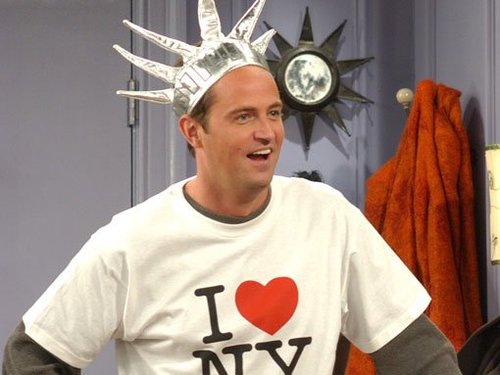
The jock is the crazed sports head. Often expected to be physically fit and attractive he is the guy who all the girls fancy and all the nerds want to be. His physical attraction and health is something for female audiences to enjoy and for male viewers to envy and aspire.
The silent strong is someone who may be just as attractive and fit as the jock but usually isn't as confident and not component. Because of his shyness he may be naive, inexperienced but just as capable as anyone when the time comes.
The big shot, we all know what this means, but in media terms this is someone who is or tries to be massively influential and maybe even save the day. Maybe out of there league or just facing challenges he shouldn't be able to over come the big shot is the person who is the 'big man on campus'.

The action hero although doesn't necessarily have to be that good looking he should be physically fit and get the job done. Bruce Willis is a good example of this. The action hero is the start of the show, the Neo of the matrix, the John Mcclane of Die Hard.
Finally we get to the buffoon. Probably one of the most frustrating stereotypes that isn't regularly seen as an issue but the lovable idiot is very dominant in modern media. He is probably the stereotype who's most likely allowed to be not intentionally desirable but lovable for his stupidity- looks aren't particually important for this role.
Race

Race is probably besides gender roles the most controversial topic I might talk about before this is merely examining patterns spotted in media and is in no way opinionated. From subtle racial jokes to extreme and obvious racist stereotypes race is represented in an enormous range.
Starting with other nationalities, the media has a very blunt minded and idiotic way of representing different nationalities. If someone is from England then they must speak in a heavily influenced London accent, be rather old fashioned in their ways and in extreme stereotypes have bucked and uncleaned teeth with a high class pompous snobbery.

American's should be overweight, not overly intelligent and be ridiculously over patriotic and religious in all aspects of their life.
France is according to media's representation filled with black and white stripped topped, frog leg eating, wine drinking artists with an over obsession for art.
And particularly in low brow action movies filled with special effects and dumb action with little plot sophistication their will normally be some sort of Russian, German, Islamic or Korean evil supper villain aided by a Swedish scientist.
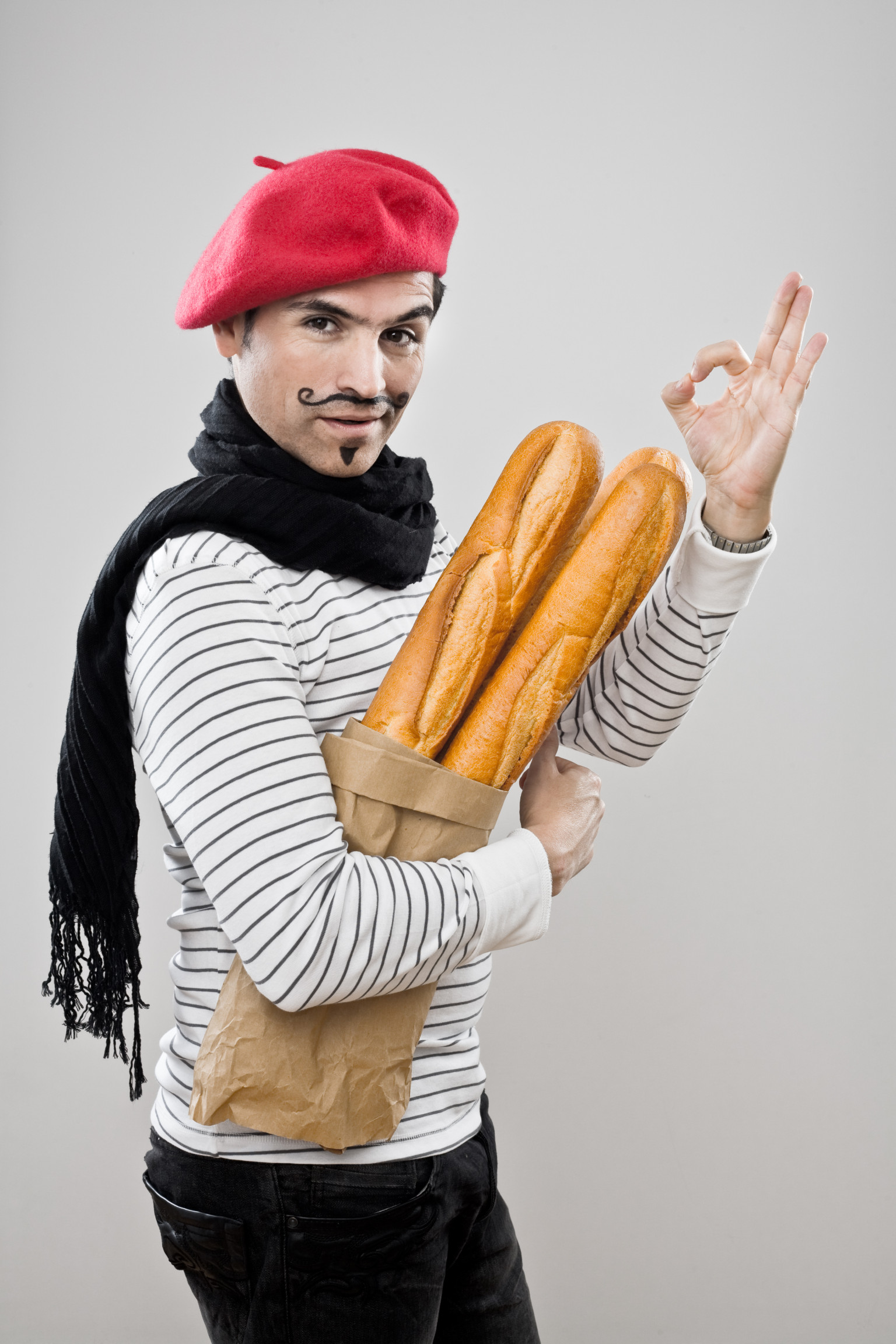
All of these stereotypes can be seen as extremely offensive and judgmental views on society and other nations patriotically in commies where the joke is at this stereotype.
Other such example of race archetypes are present as in media people of foreign decent who live in normal society even if they are a legal citizen and have been all their lives can sometimes be portrayed as heavily stylized in their foreign culture even to an extreme extent to which does't match reality.
Similar to the counter type/ attempted inverting of stereotypical female cliches their has been a recent and someone failed attempt to try and counter the issue of either stereotyping other races and nationalities or the complete absence of them entirely.
For example the very successful movie franchise of Harry Potter, although it is meant to be set in the wizarding world it is clearly stated that they are based in England but nearly all the main cast are white Caucasian. Bar the mad head super fans, if you as any ordinary movie goer to name a colored character in Harry Potter they would struggle to.

Another example the incredibly successful tv series Friends, the six main cast and nearly every significant character in all series bar one or two are all white besides the fact it's set in New York.
You should know that no offence or criticism is directed towards either of these, only observing patterns in societies media, which is only natural. If the writers are themselves white males then naturally they will be more familiar and comfortable writing males, the race most likely doesn't even cross their mind as to them it may subconsciously not be a super vital part of the plot to have people of different races and if they do then it would be an important part of their character.
Now that people begun seeing this pattern writers attempted to try and retrofit people of different races into the story and group of characters and in order to try and make up for the fact that there might only be one woman and one black man in an entire cast of white males they will try and make these two characters especially likable, awesome or memorable in someway but not allowing them to be the main character. Why can't Hermione Granger, the only main female character in Harry Potter be the main character? She's in every way superior to Harry (as mentioned before possibly to compensate for the lack of female roles?) but they only reason he's more important than her is because he's "the chosen one"

Star wars- Leah is basically the only women ever in the entire galaxy but to compensate for there being besides her no women at all she's really independent and strong. And Lando Callerisian is the only colored man in the original trilogy.
This may not be true in all cases but defiantly in a lot of cases this is what is happening. Yet another thing to keep an eye open to.
Disability
Another touchy topic that people should be careful when talking about. Disability mental or physical can be rather judgmental and archetypal. Quite simply put there are a few classes which disability is represented.

A rather harsh stereotype is for the character with a mental or physical defect to be the villian of the story. From the Joker in Batman to Dr. Simon Barsinister from Underdog.
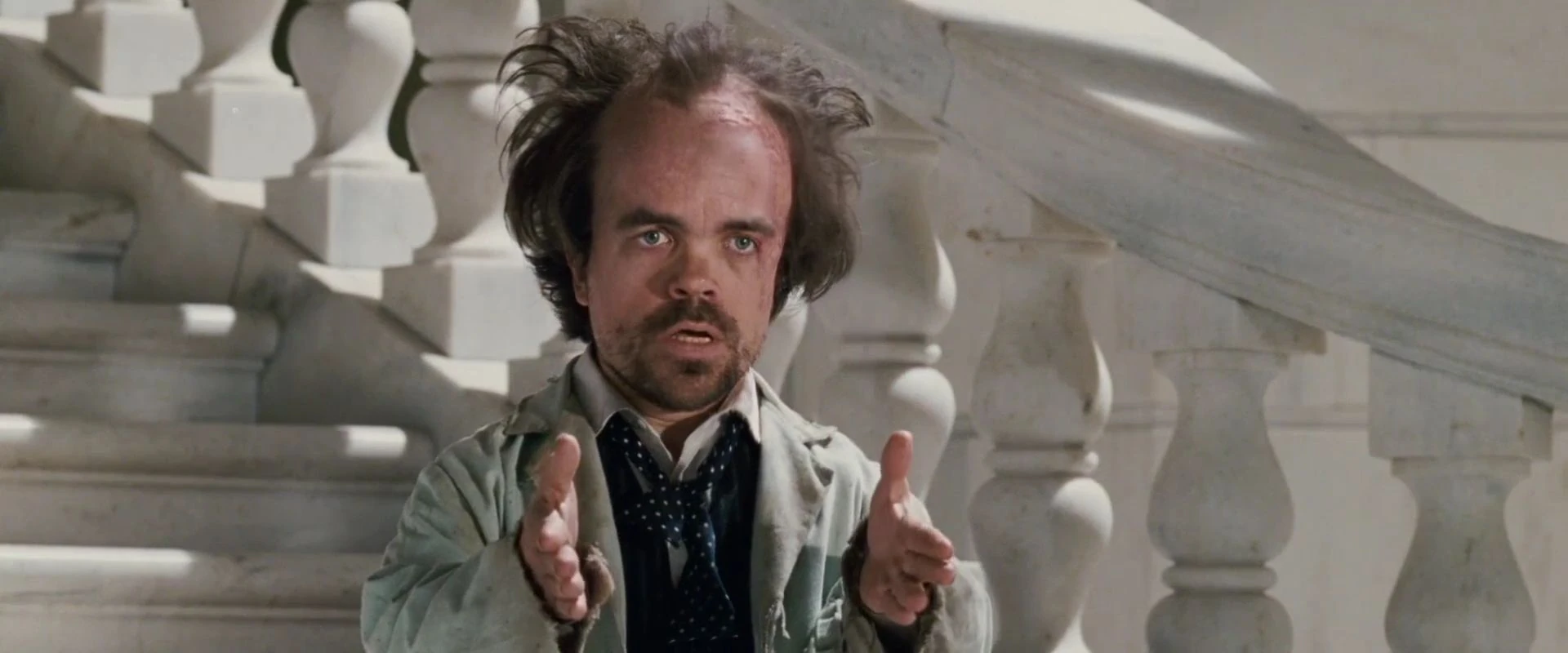
But another steriotype with in some ways puts them in a positive light which they are veiwed as a hero, battle against their defect and trying to live on in life despite of their disability. Quasimodo from the hunchback of Notre-Dame is a perfect example of an invertend character with a physical disibility but who has been made into the hero of his own story.


